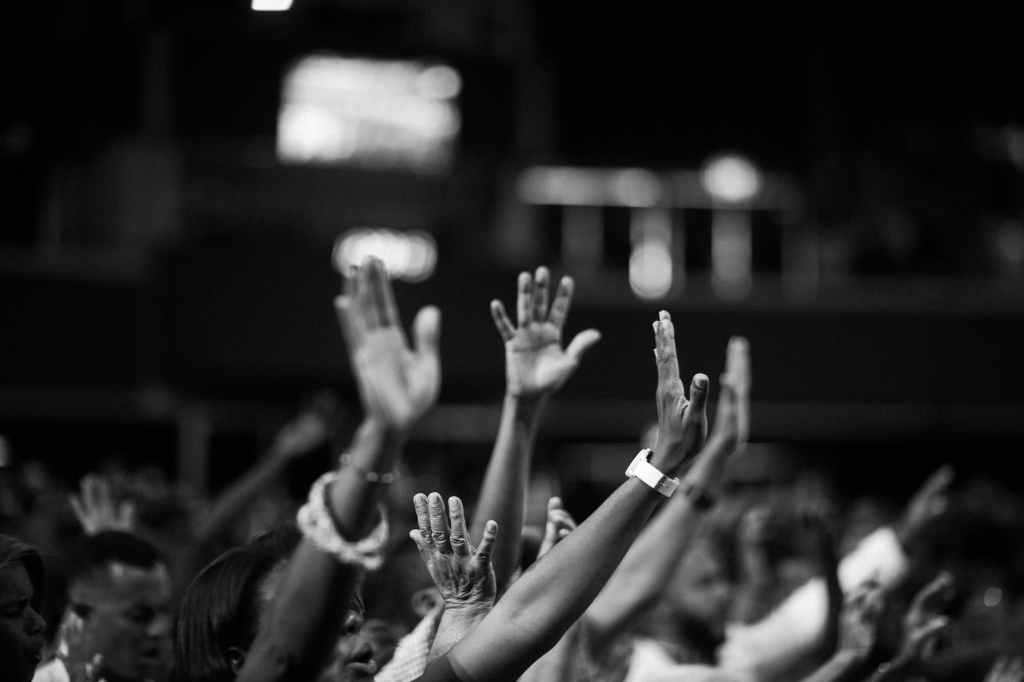
Gratitude. This is to express or display a conscious thankfulness for receiving gifts especially those that give you advantage or are in your favor. As many scholars, activists, thinkers and artists continue to provide creative blueprints, resources, models and strategies for disrupting privilege and transforming power, this reflection is not to question how to best disrupt privilege. Rather I am thoughtfully deliberating which and what privileges are considered the greatest antagonism for greatest disruption.
Feminist thinkers remind us that the personal is political. This means that our lived experiences should often predict our relationships to the material world; our social locations and social identities directly influence our access to basic rights, dignities as well as wealth, access to resources and political influence.
I’m arguing that advocacy for human rights founded in our own social location still adopts a perspective of individualism that doesn’t fully account the complexity of human behavior, social psychology and the rapidly changing world impacted by a changed climate, a pandemic, war and the ongoing violations of human rights in nearly every nation. Those carrying power and privilege, the personal as political may look like distancing from community systems. Those with privilege are those who have advantage, favor in inequitable systems and are best positioned to serve communities who are shut out or neglected. It is an error to only encourage privileged classes to serve their own political interests and struggles. We must recognize that systems of Black capitalism will not and cannot save us.
Those with power and those who seek to maintain their power are not seeking opportunities to surrender their power or privilege. A struggle to maintain this personal upward mobility while remaining equitably in service to those decentered extracts a condition for exploitation. Those who maintain dominant group privileges are socially and politically incapable of serving interests of other groups without a consistent social justice ethic and a developed class consciousness. Otherwise, those whose identities are pushed toward the margins have entirely dissimilar stakes and mismatched demands that best serve the continued project of Western expansion.
In an example under capitalism white men with white power and white privilege do not gain benefit from surrendering or disrupting white supremacist power structures if they are acting politically only from their personal social location. Another example, white women would have less incentive to disrupt white supremacist patriarchy if this disrupts white supremacist power that gives her an advantage/favor despite a disadvantage because of her gender.
These are culture wars and psychological warfare over imagination. We must be able to imagine others in the world around us and be curious about the personal political struggles of someone other than our own. Dismantling oppressive institutions requires the eradication of othering difference but this must happen with working class solidarity and in revolutionary struggle.
Awaiting the privileged and powerful to surrender their power and privilege will not liberate us. Citing the personal as political as the sole politic in the current century fails to acknowledge or emphasize the interconnected nature of our oppressions. It is a privilege to maintain a continued refusal and blindness to the daily realities of those around us. How often do we check in on our neighbors? Those without consistent privilege, power and access are far more numerous than those who wield authority and power in our systems. It is in these positions that we expect there to be greater influence for greater change. It is in this position between the State and the community that the People must determine which action to take. Which privileges and power structures create the greatest antagonism, what privileges are worthy of disruption? Who decides this?
Our revolution and action cannot be maintained only on the basis of privileged and powerful surrendering and sharing their power first. The question(s) ask us if we are struggling to transform and disrupt the power and share among the collective, among the People or if we are coaching, training and developing a privileged class into class consciousness. The revolution is reclaiming our own power as our own.
In reflecting, I have gratitude for my own privileges, and I understand that in the greater political struggle my condition has not changed. Although, I can celebrate a less(er) precarious existence on the neo colony. Social and geographical ills have not changed behind me, and I refuse to forget what has not changed.
 The Wayward Scholar
Leave a comment