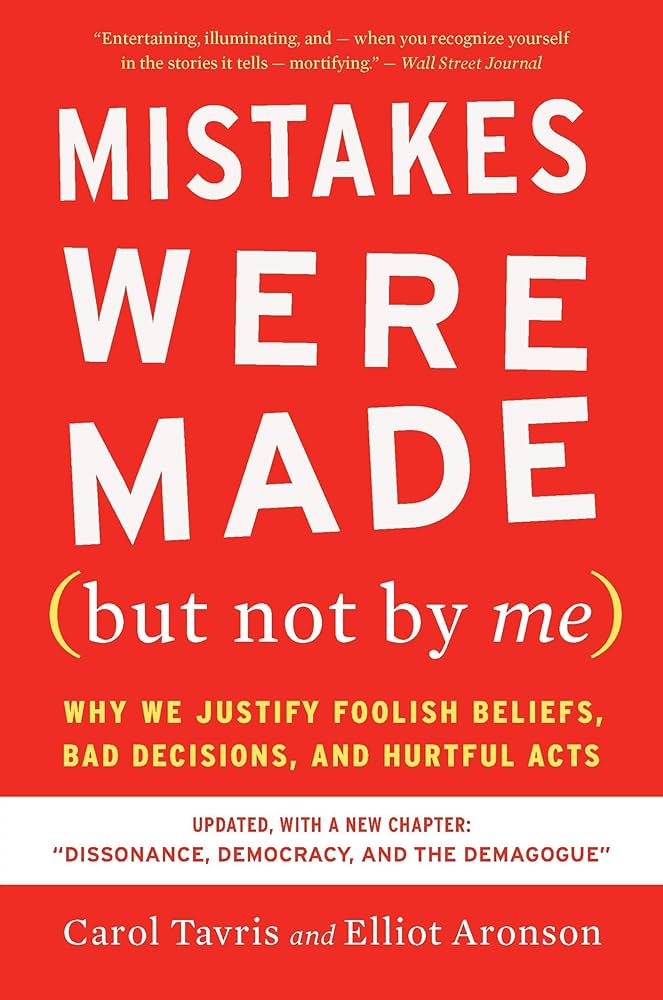
Mistakes Were Made (But Not by Me) by Carol Tarvis, Elliot Aronson
Why is it so hard to say “I made a mistake”—and really believe it?
When we make mistakes, cling to outdated attitudes, or mistreat other people, we must calm the cognitive dissonance that jars our feelings of self-worth. And so, unconsciously, we create fictions that absolve us of responsibility, restoring our belief that we are smart, moral, and right—a belief that often keeps us on a course that is dumb, immoral, and wrong. Backed by years of research, Mistakes Were Made (But Not by Me) offers a fascinating explanation of self-justification—how it works, the damage it can cause, and how we can overcome it.
Healing the Shame that Binds You by John Bradshaw
“I used to drink,” writes John Bradshaw, “to solve the problems caused by drinking. The more I drank to relieve my shame-based loneliness and hurt, the more I felt ashamed.”
Shame is the motivator behind our toxic behaviors: the compulsion, co-dependency, addiction and drive to super achieve that breaks down the family and destroys personal lives. This book has helped millions identify their personal shame, understand the underlying reasons for it, address these root causes and release themselves from the shame that binds them to their past failures.
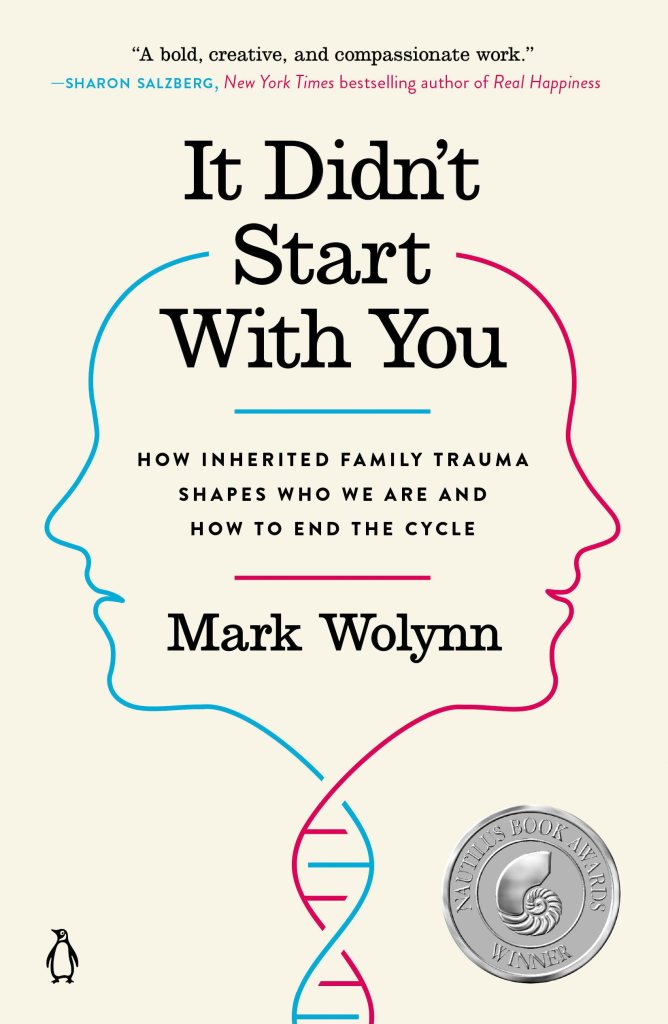
It Didn’t Start With You by Mark Wolynn
This book shows how the traumas of our parents, grandparents, and even great grandparents can live in our unexplained depression, anxiety, fears, phobias, obsessive thoughts and physical symptoms—what scientists are now calling “secondary PTSD.”
Documenting the latest epigenetic research—how traumatic memories are transmitted through chemical changes in DNA—and the latest advances in neuroscience and the science of language, It Didn’t Start With You is an accessible and pragmatic guide to breaking inherited family patterns.
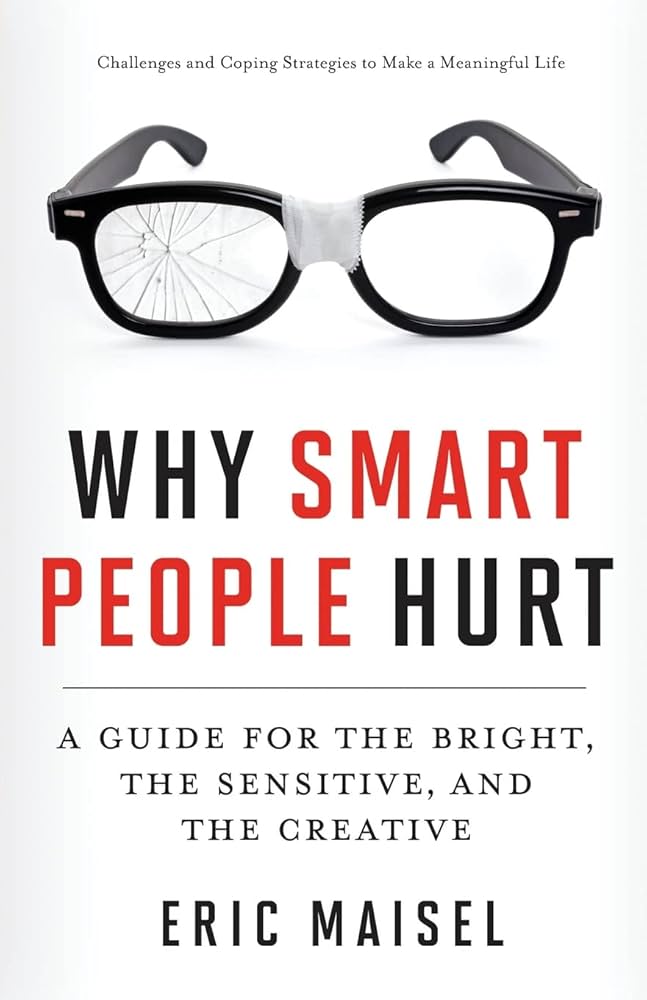
Why Smart People Hurt by Eric Maisel
In “Why Smart People Hurt,” psychologist Dr. Eric Maisel draws on his many years of work with the best and the brightest to pinpoint these often devastating challenges and offer solutions based on the groundbreaking principles and practices of natural psychology.
His thoughtful strategies include using logic and creativity to cope with the problems of having a brain that goes into overdrive at the drop of a hat. With a series of questions at the end of each chapter, he guides the reader to create his or her own roadmap to a calm and meaningful life.
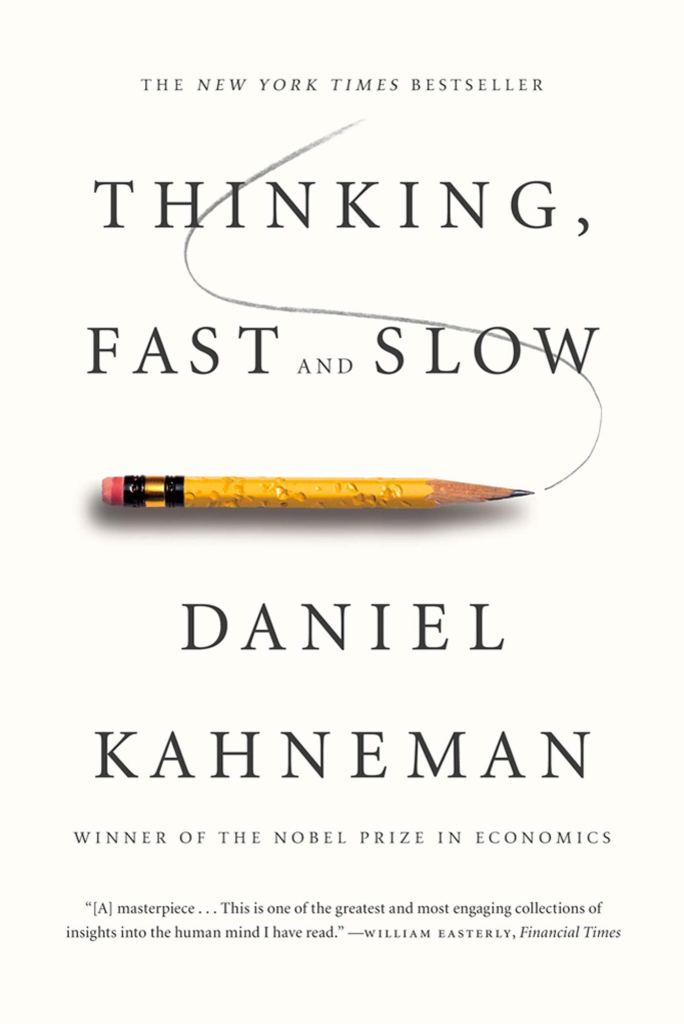
Thinking, Fast and Slow by Daniel Kahneman
In the highly anticipated Thinking, Fast and Slow, Kahneman takes us on a groundbreaking tour of the mind and explains the two systems that drive the way we think. System 1 is fast, intuitive, and emotional; System 2 is slower, more deliberative, and more logical. Kahneman exposes the extraordinary capabilities—and also the faults and biases—of fast thinking and reveals the pervasive influence of intuitive impressions on our thoughts and behavior.
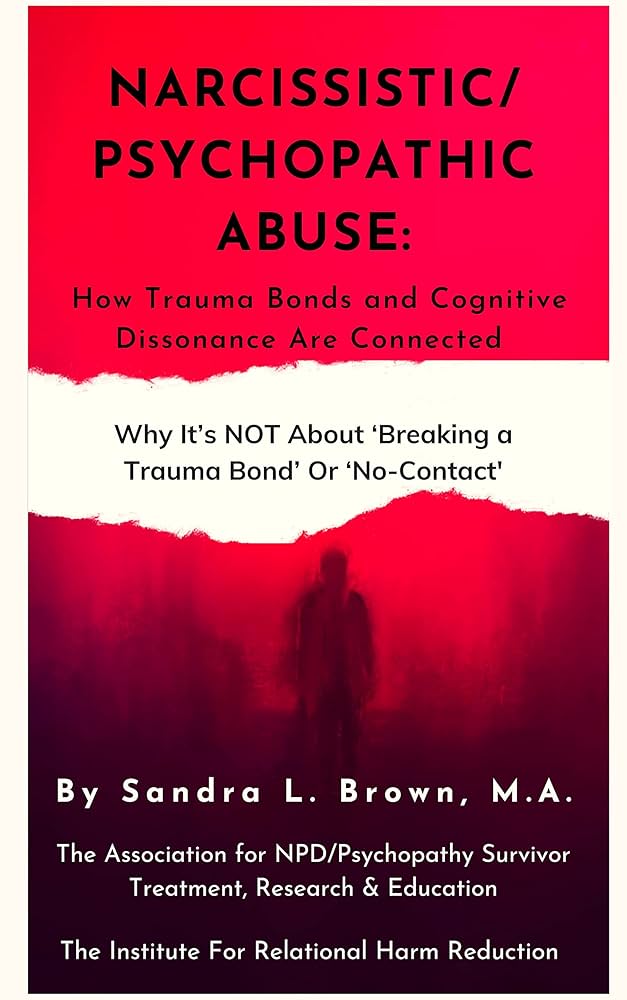
Narcissistic/Psychopathic Abuse: How Trauma Bonds and Cognitive Dissonance Are Connected-Why It’s NOT About ‘Breaking a Trauma Bond’ or No Contact’ by Sandra L. Brown
The solution to trauma bonds often associated with narcissistic abuse is often simplistically suggested as ‘go no contact’ to ‘break the trauma bond.’ In this book, narcissistic abuse field pioneer, Sandra L. Brown, MA talks about the myths of those approaches and highlights how the symptom of cognitive dissonance (and its severity) is connected to how and why trauma bonds develop, and how it is cognitive dissonance that is the primary treatment issue, not traumatic attachment.
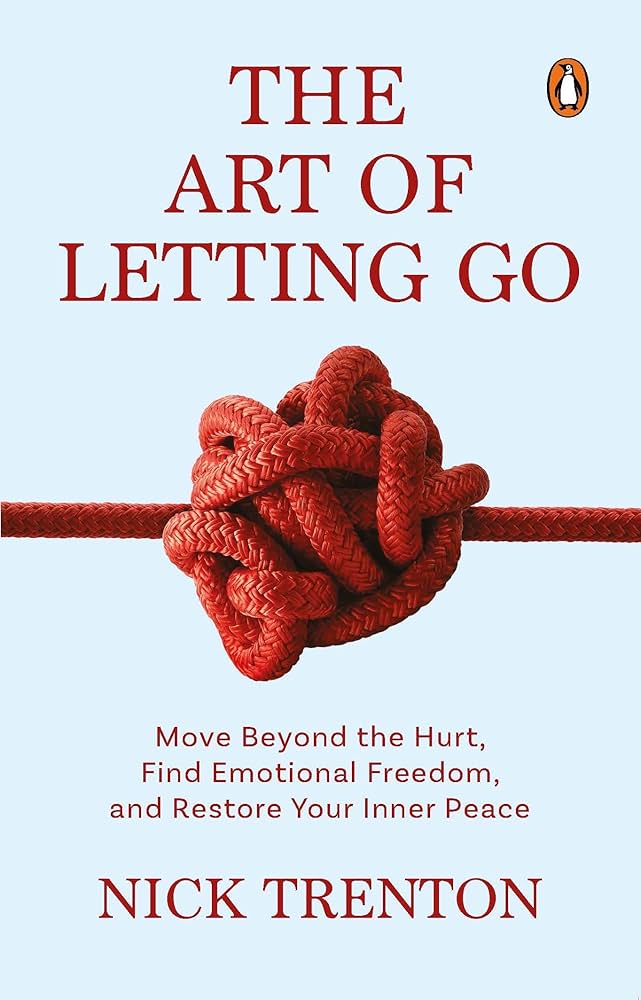
The Art of Letting Go: Stop Overthinking, Stop Negative Spirals and Find Emotional Freedom (The Path to Calm) by Nick Trenton
Control your thoughts; control your life; control your happiness.
The Art of Letting Go is all about organizing the mess in your mind. It’s about how to stop focusing on the past that is over, or the future that may never occur, and being present in the situations that you can actually have agency in. It’s about how to rewire the anxious connections in your brain, and switch your mental programming and beliefs. It’s about understanding that our brains are made for 10,000 BC, and that you can afford to let your guard down.

Flowers for Algernon by Daniel Keyes
Charlie Gordon is about to embark upon an unprecedented journey. Born with an unusually low IQ, he has been chosen as the perfect subject for an experimental surgery that researchers hope will increase his intelligence – a procedure that has already been highly successful when tested on a lab mouse named Algernon.
As the treatment takes effect, Charlie’s intelligence expands until it surpasses that of the doctors who engineered his metamorphosis. The experiment appears to be a scientific breakthrough of paramount importance, until Algernon suddenly deteriorates. Will the same happen to Charlie?
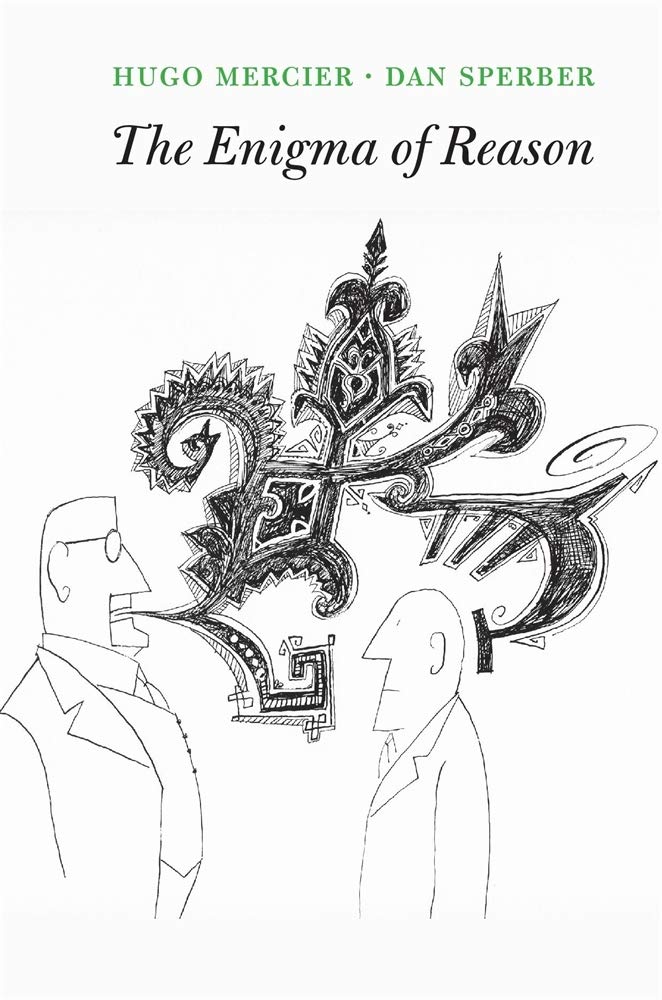
The Enigma of Reason by Hugo Mercier, Dan Sperber
What reason does, rather, is help us justify our beliefs and actions to others, convince them through argumentation, and evaluate the justifications and arguments that others address to us. In other words, reason helps humans better exploit their uniquely rich social environment. This interactionist interpretation explains why reason may have evolved and how it fits with other cognitive mechanisms. It makes sense of strengths and weaknesses that have long puzzled philosophers and psychologists―why reason is biased in favor of what we already believe, why it may lead to terrible ideas and yet is indispensable to spreading good ones.
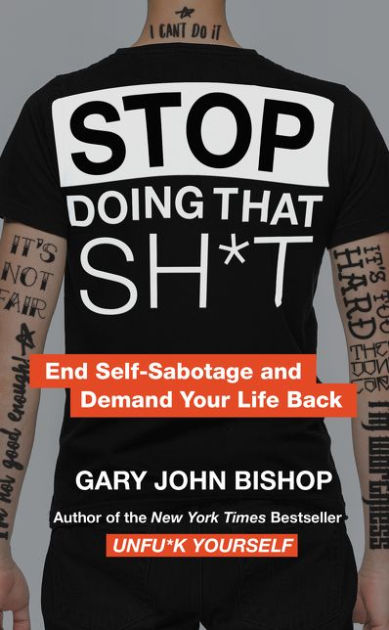
Stop Doing That Shit: End Self Sabotage and Demand Your Life Back by Gary John Bishop
In Stop Doing That Sh*t, Gary builds on that message of UnFu*k Yourself, teaching us how to stop self-sabotaging behavior. Bishop explains how our destructive cycles come down to the way that we’re wired. He then identifies different types of people and the ways we fu*k ourselves over: We can’t save money. We land in the same type of toxic relationship. We’re stuck in a rut at work. Analyzing why we act the way we do, including what our common grenades are that blow up our lives, Bishop then shows how we can interrupt the cycle and stop self-sabotaging our lives.


Leave a Reply